Projects that revive nature, boost biodiversity and improve access so more people can get out there and enjoy it.
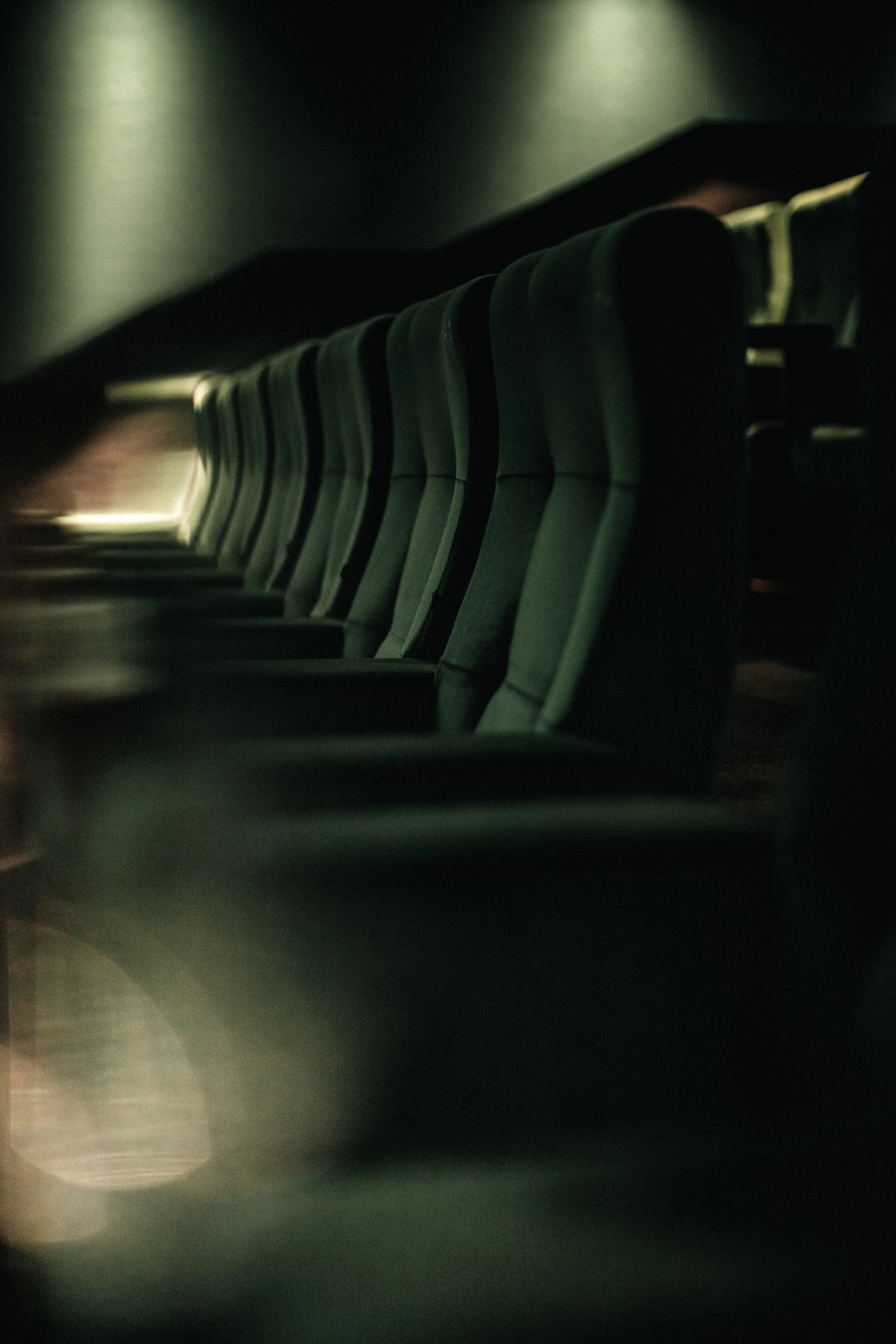
With Wild Spaces, a trip to a Pearl & Dean cinema becomes a socially responsible act.
Wild Spaces is funded by advertisers who have chosen to pay extra to fund these nature restoration projects.
Four times a year Wild Spaces will release a new episode, shown in cinemas, documenting the progress of the projects and their impact.
A cinema spot that funds nature restoration projects in our
National Parks.
WHAT IS A NATIONAL PARK?

Visited around 100 million times every year, the fifteen UK National Parks are Britain’s best loved landscapes. Truly national in presence – the National Parks cover around 10% of Great Britain's land area and are where people go to get inspired by the great outdoors. Vital to health and well-being, they are the green lungs of the nation.
People live and work in the UK’s National Parks. Anyone can visit at any time for free. That’s unique. But they offer so much more – these living, working landscapes also play a huge role in reviving nature, boosting biodiversity and tackling climate change making them ideal locations for leading-edge projects, like the ones featured in Wild Spaces.

Wild Spaces —–
Episode 5 ––
IN CINEMAS NOW
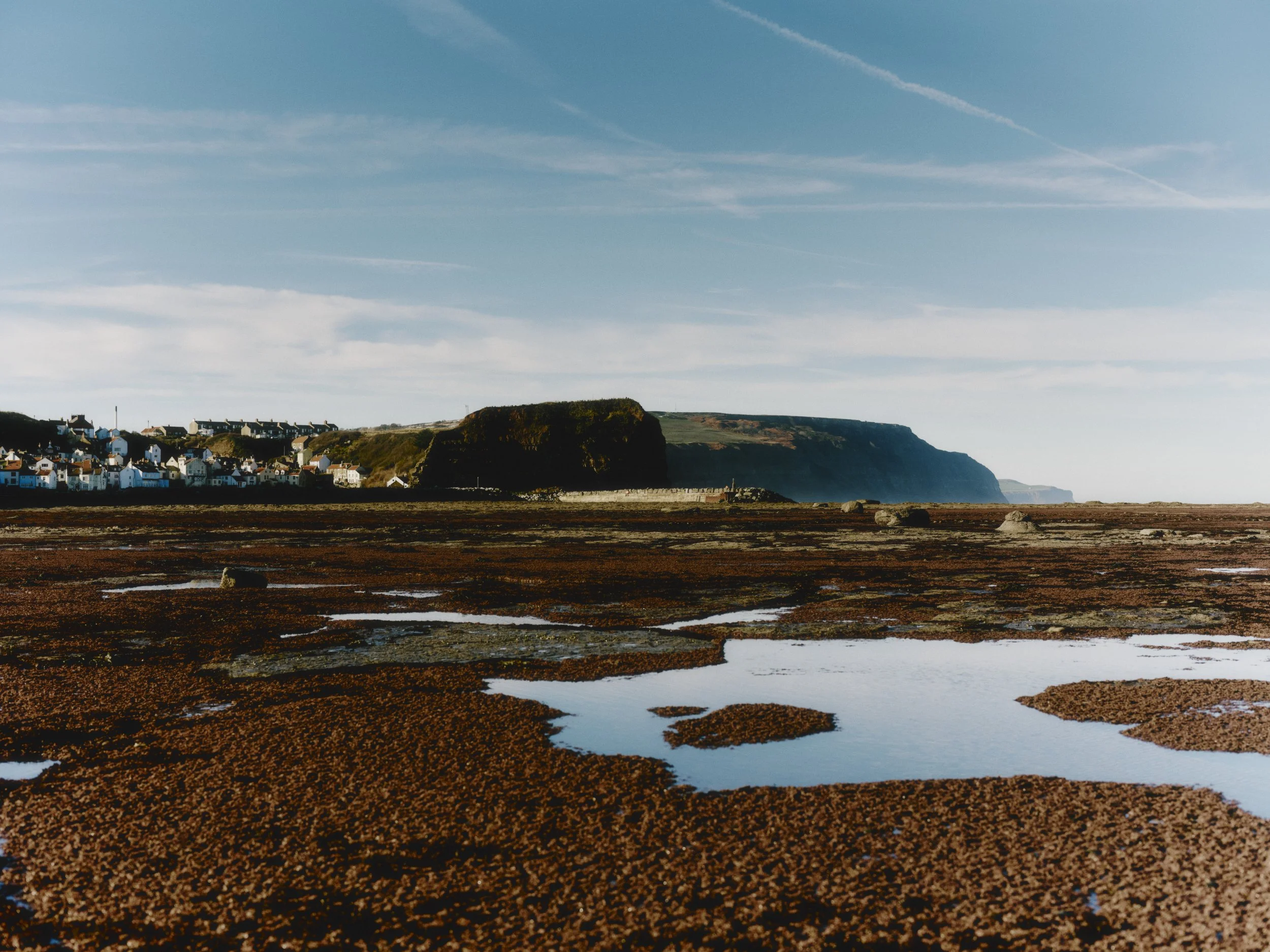
Episode 5 of Wild Spaces takes us to Staithes, a coastal village within the North York Moors National Park.
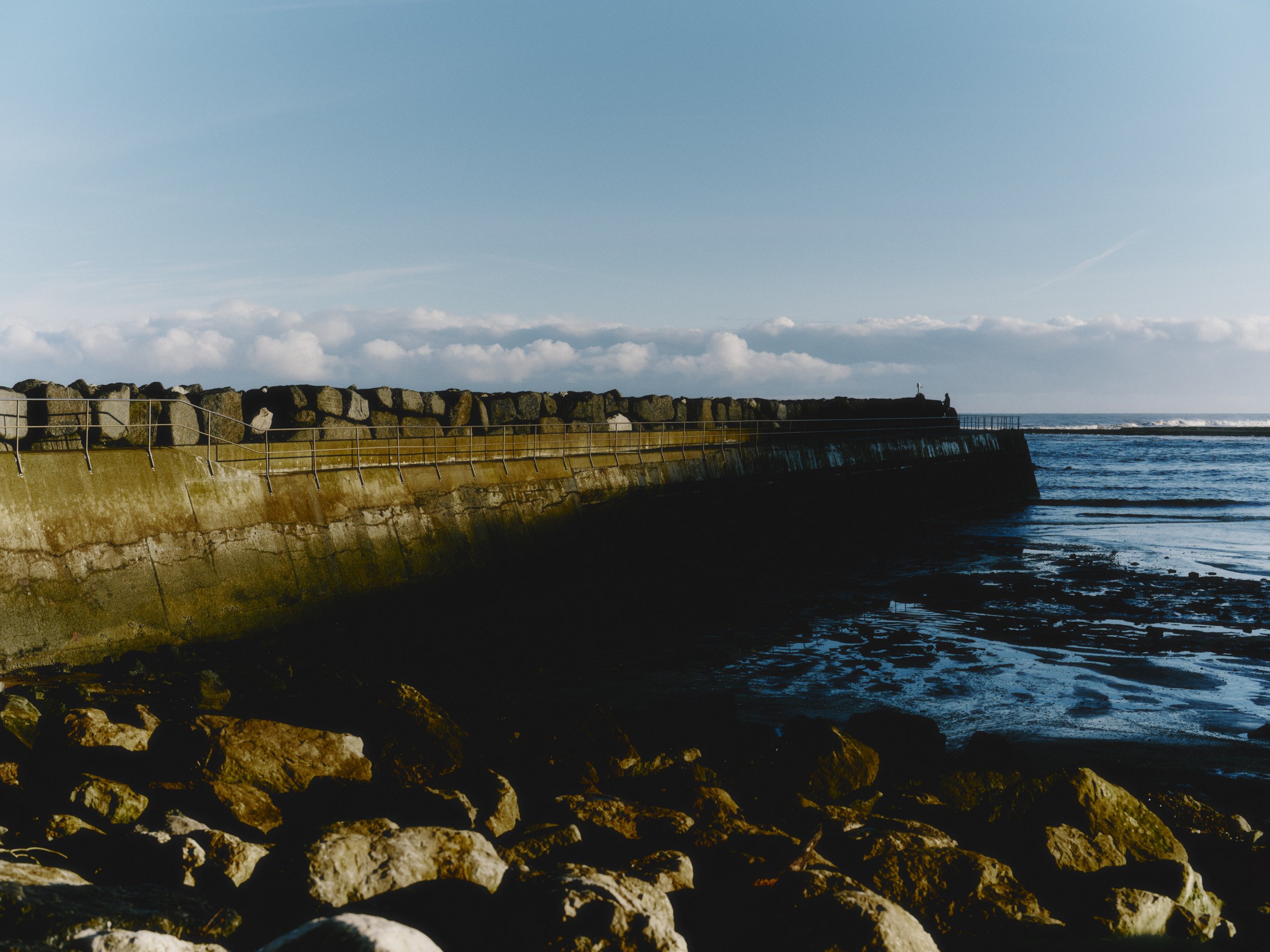
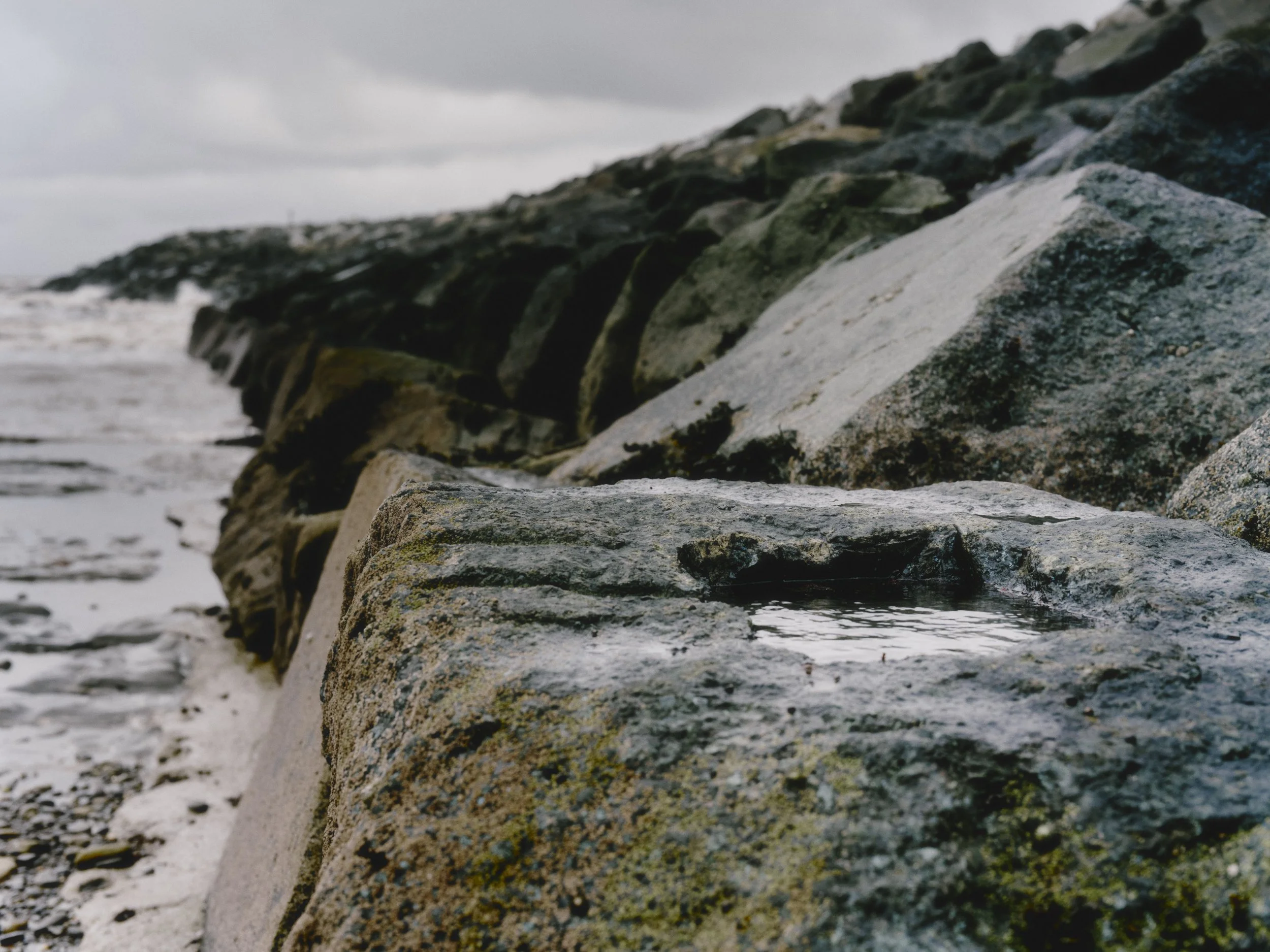
The Concrete Coast project, led by the Yorkshire Marine Nature Partnership (YMNP), is reimagining how we protect and enhance our shorelines. Instead of seeing sea walls and coastal defences as lifeless barriers, this initiative turns them into thriving habitats for marine life.
In Staithes, we’ve been working with ecologists, designers, and local partners to show that infrastructure can do more than hold back the tide—it can help nature flourish.
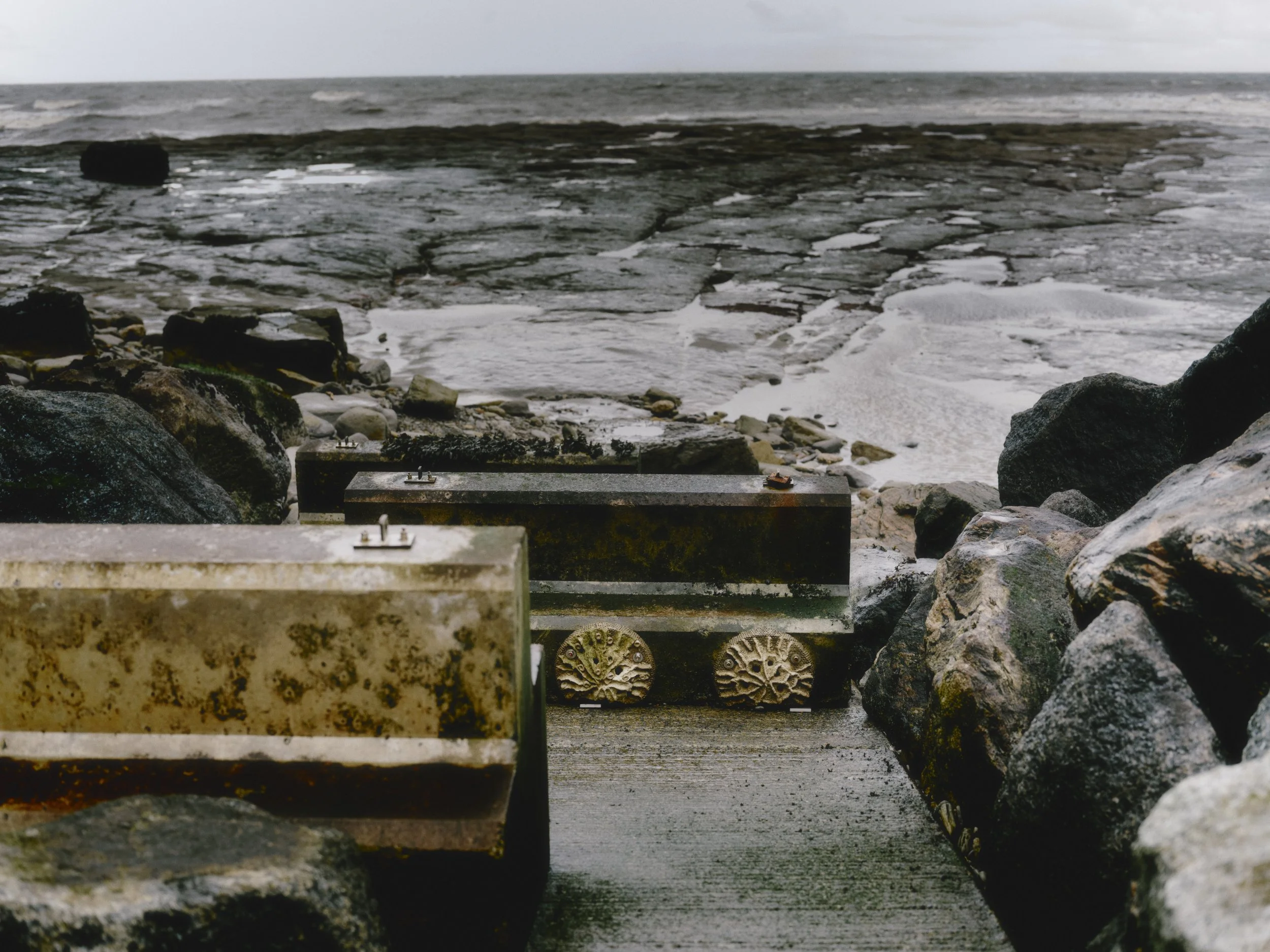
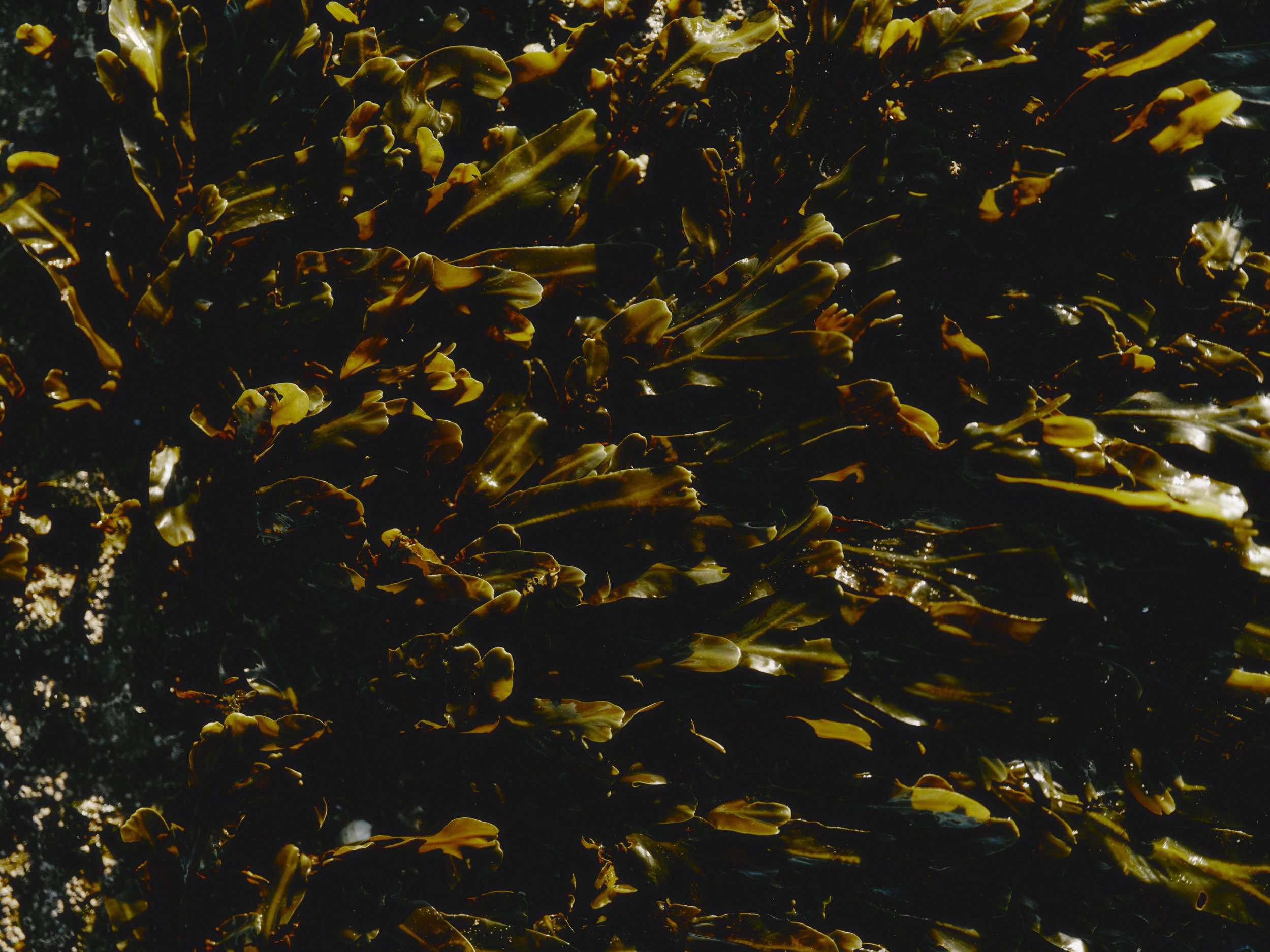
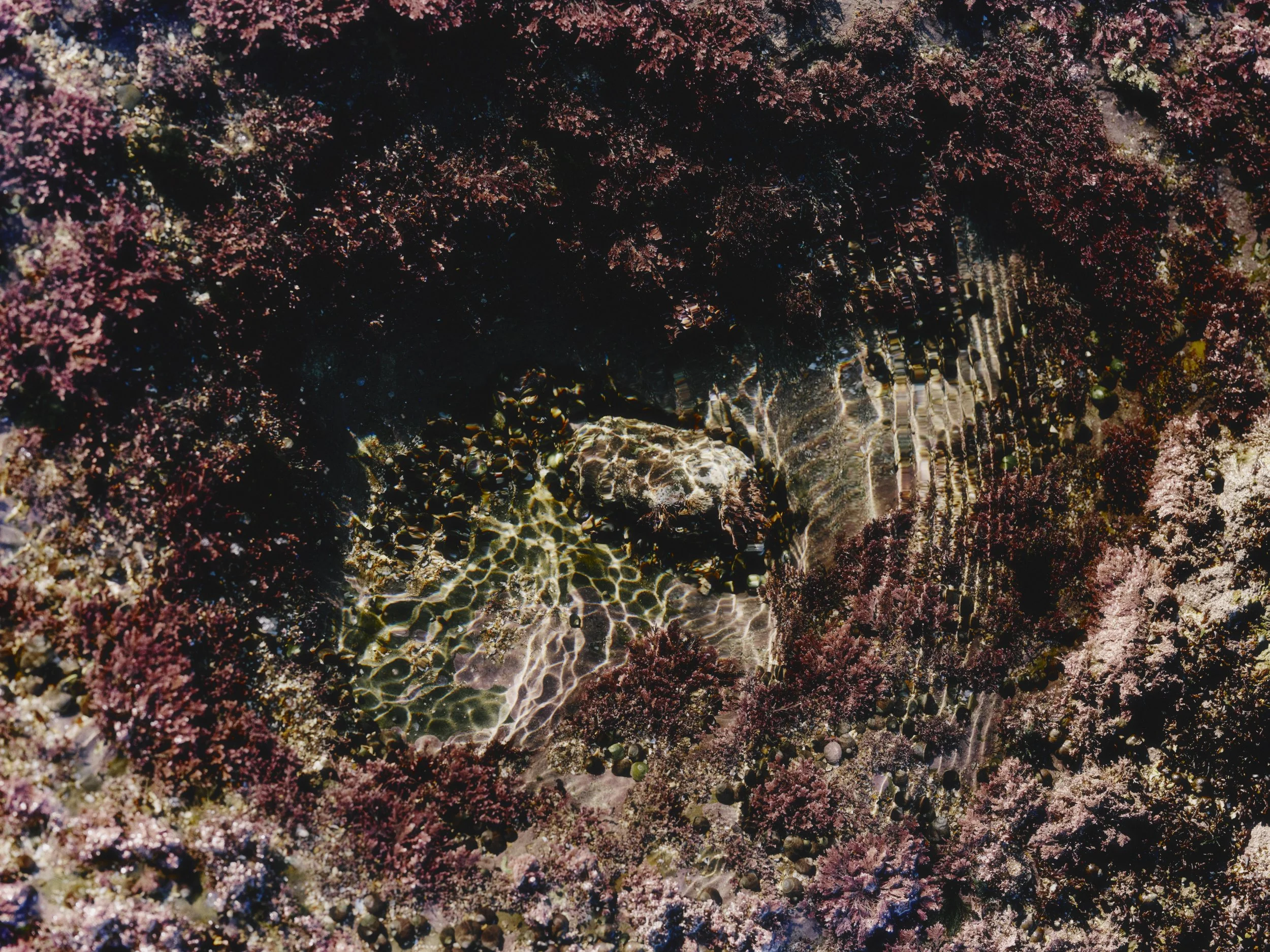
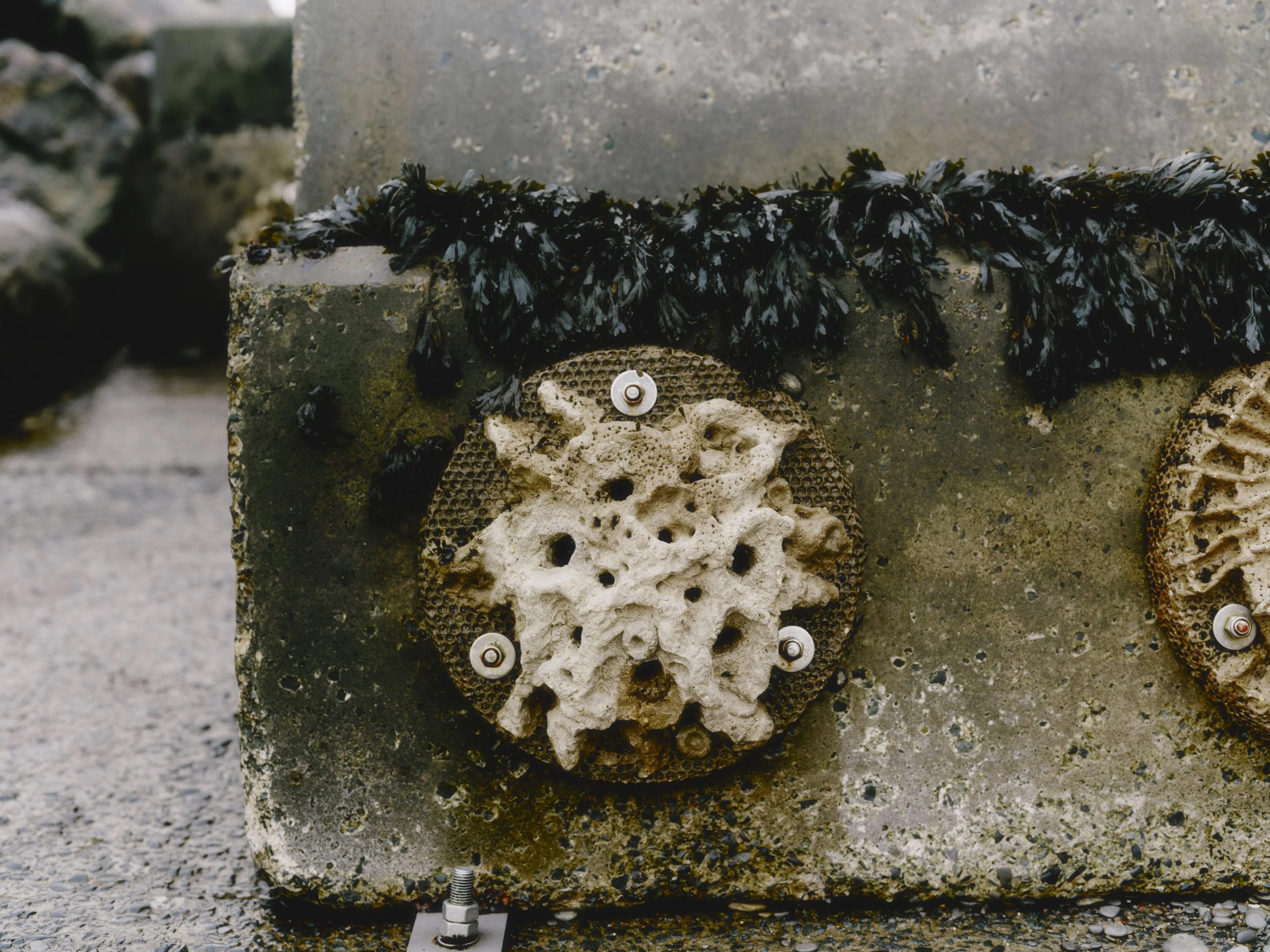
One of the most exciting steps so far has been the installation of rockpools and refugia tiles along the Staithes waterfront. These features mimic natural habitats, creating safe spaces for species like barnacles, limpets and small fish. Rockpools hold water during low tide, while textured tiles provide shelter and surfaces for marine organisms to settle. Early signs are promising — these enhancements are already attracting life and boosting biodiversity.
But this project isn’t just about transforming coastal structures, it’s about involving the people who live alongside them.

are funding Wild Spaces




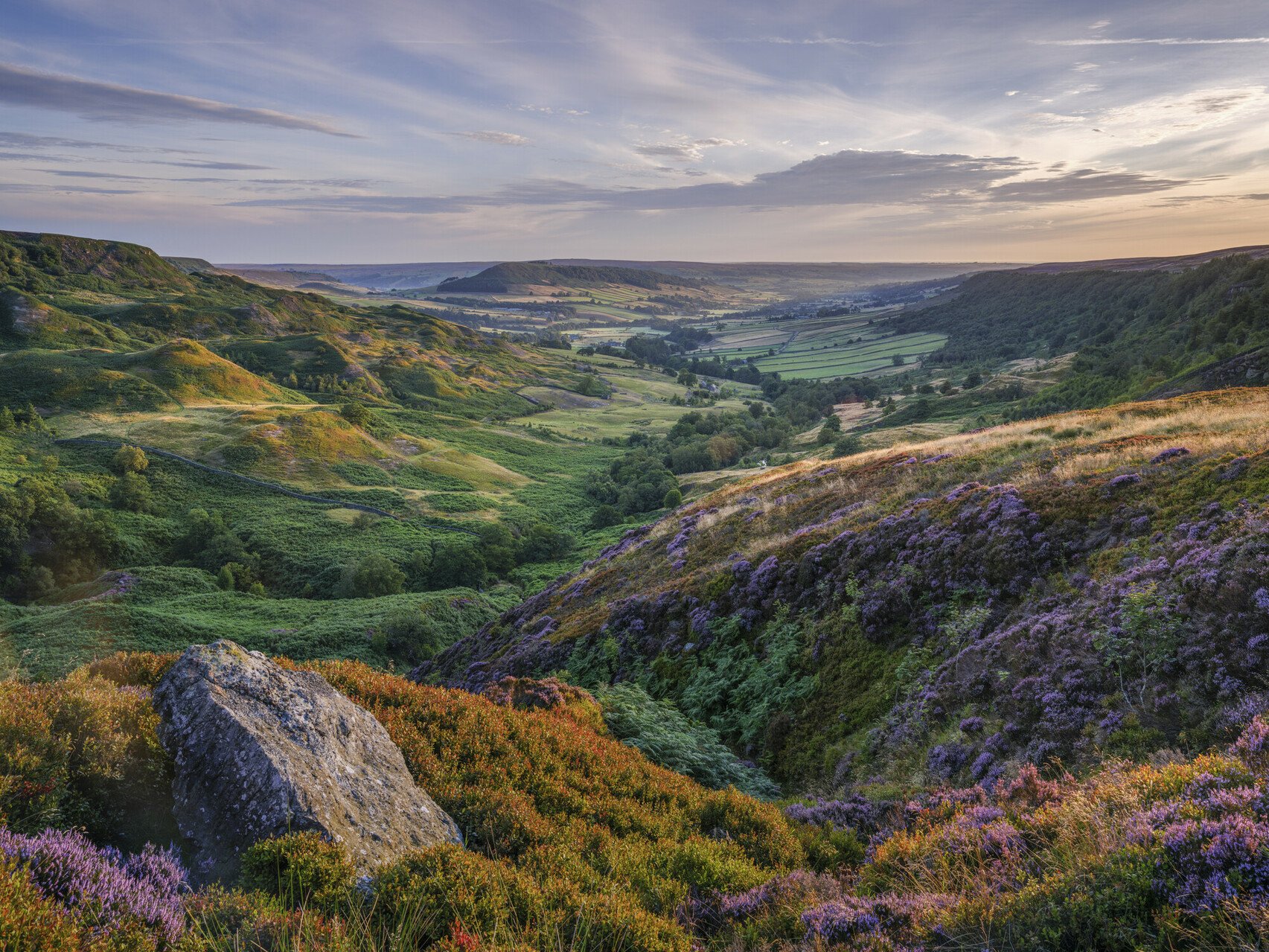
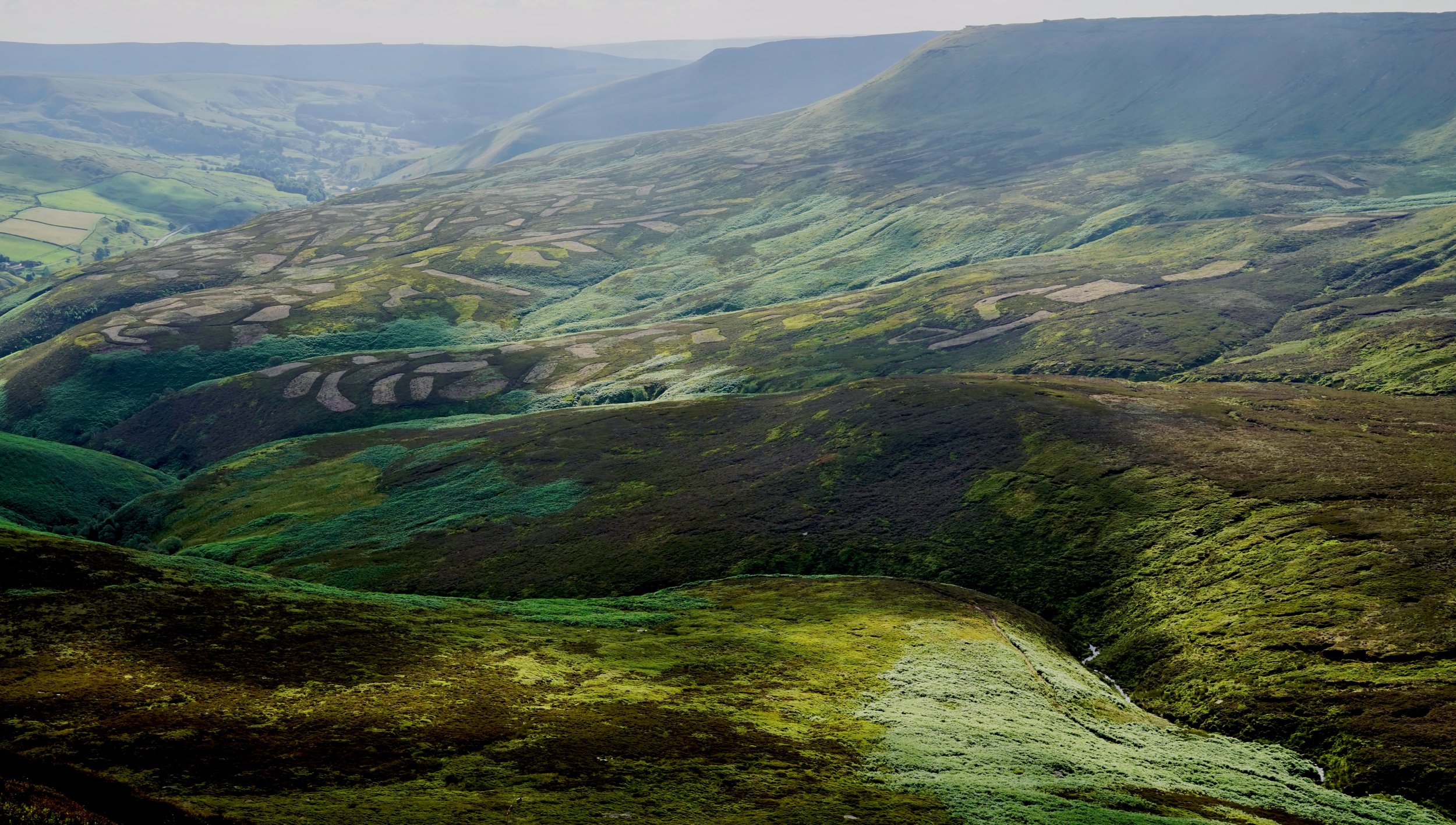
The North York Moors National Park is a beautiful upland landscape where far-reaching moorland gives way to tree-topped skylines, deep wooded dales and a rugged coastline. It’s a place to marvel at the stars, to revel in the rich heritage and reconnect with nature.
The National Park lies 20 miles north of the City of York and extends to the southern fringe of the Tees Valley. Covering an area of 554 square miles (1,436 square kilometres), it’s home to 23,135 residents.
Its diverse mix of upland, lowland and coastal habitats supports a rich variety of wildlife. From moorland-nesting birds such as merlin, golden plover and curlew to woodland loving nightjar, turtle doves and goshawks. Valuable work on the River Esk, which runs to the North Sea, helps support threatened species, such as white-clawed crayfish and the freshwater pearl mussel.
Attracting more than 9 million visitors a year, the National Park’s 26 miles of spectacular heritage coastline has remarkable fishing villages to explore, wide sandy beaches to lounge on, cliff top footpaths to walk, whales and dolphins to spot, hidden bays to discover and more... In the colder months, hunker down in a cosy coastal pub to enjoy the simple pleasure of watching the waves break beneath a dark, winter’s sky. In this International Dark Sky Reserve, you can often see 2,000 stars – far more than in the nearby towns – including spectacular views of the Milky Way.